Cold-process soap
Made in Geneva, in small batches, without ever heating the paste.
Cold process is the slowest and most expensive way to make soap. It is also the only one that keeps the glycerin created by the reaction — the very thing industry strips out to sell elsewhere, and the reason a handmade bar leaves skin supple instead of tight.
What “cold” actually changes
Industrial soap is cooked, then salted out: the glycerin leaves with the wash water. A cold-process bar never goes above room temperature, so the glycerin stays in — roughly 8 % of the finished weight. That is why an artisan bar melts faster on a badly drained soap dish, and why it does not dry the skin.
Superfat, and why it is a choice
We always add slightly more oil than the lye can convert. That excess — the superfat — stays free in the bar and feeds the skin while you wash. Our formulas sit between 6 and 9 %: higher for a face bar, lower for a household bar that needs to stay direct.
Four weeks of cure, and no way to hurry it
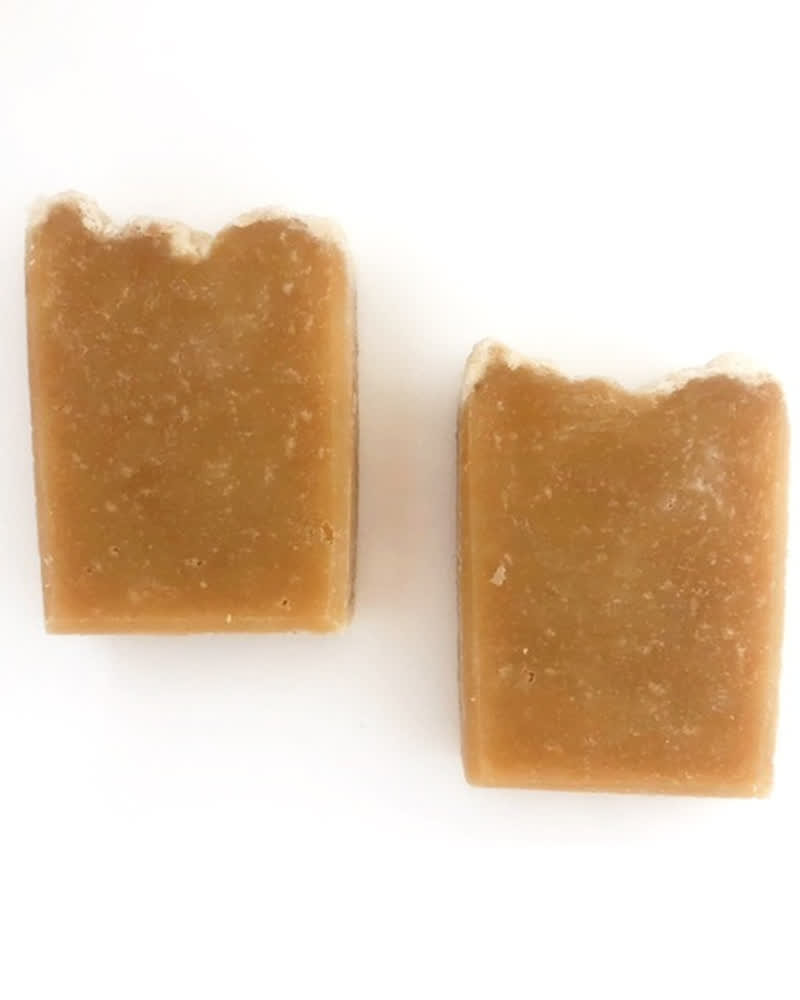
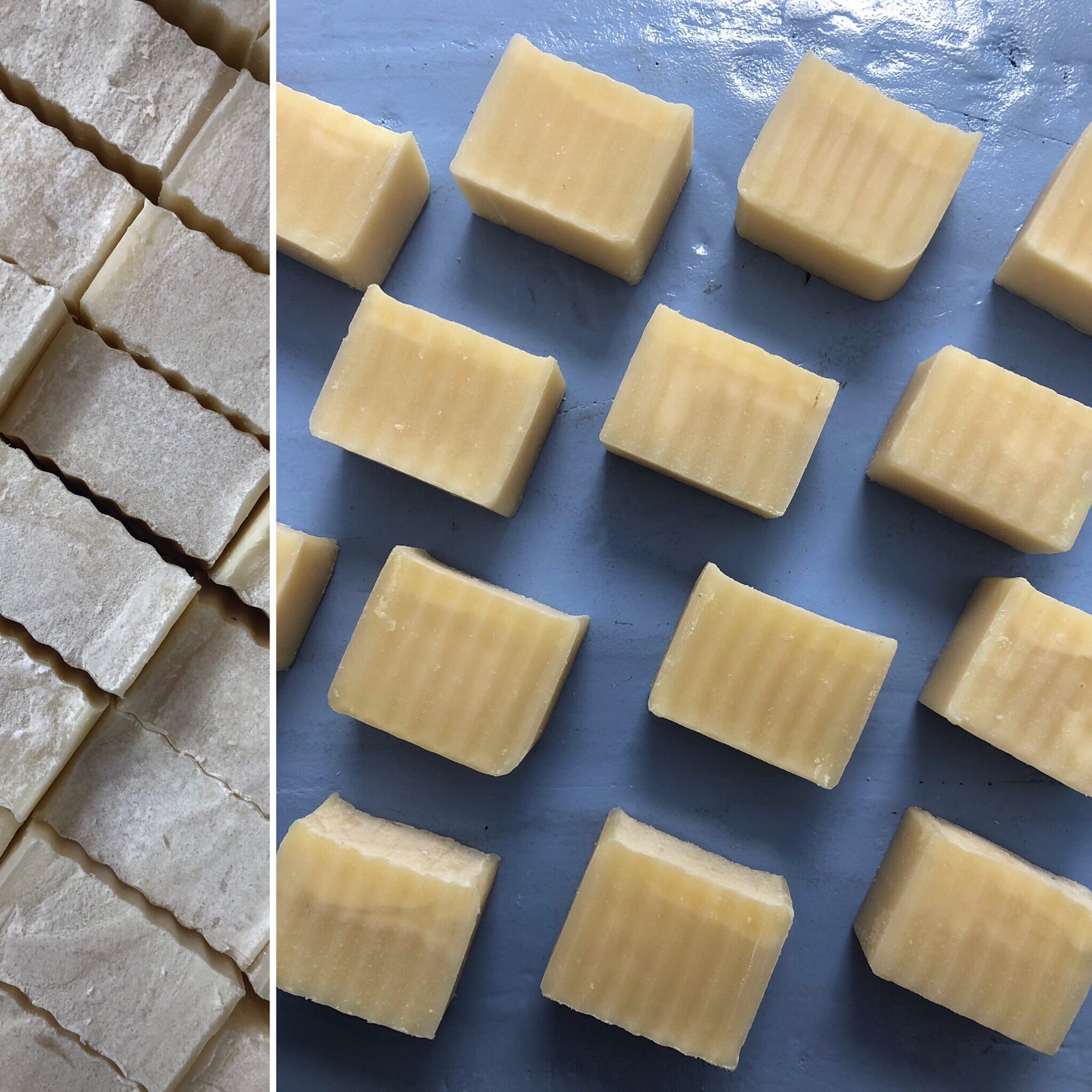
After moulding, the soap rests for a month. The reaction finishes, water evaporates, the bar hardens. Sold too early it is soft, gone in a fortnight, and may still be faintly caustic. This delay is what makes artisan soap hard to industrialise — and it is the one step nobody can shorten.
How do you recognise a genuine cold-process soap?
The INCI list opens with saponified oils — “Sodium Olivate”, “Sodium Cocoate” — not with “Sodium Palmate” followed by a run of surfactants. Superfat is stated, and the bar carries a making date, because the cure is counted.